WHEN: Sunday, August 2
TIME: 10am-4pm
WHERE: Lyman, Maine (address will be provided upon registration)
EXPERIENCE LEVEL: None required but you’ll need your own bisqueware
FEE: $70 per person
Participants will experience the hands-on, fast-paced transformation of ceramics through fire and smoke with seasoned Raku artist José (Joe-zay) Gouveia, an educator and artist, teaching art and ceramics in Portland to high schoolers and building an impressive body of his own ceramics work. Check out his beautiful work on Instagram or his Etsy Shop.
Participants will glaze their own pieces, have the opportunity to help with the reduction portion of the firing, and optionally decorate their unglazed Raku with organic materials such as feathers and horsehair.
The Raku technique is used for artistic, non-functional pieces and the finished pieces are NOT food or water safe.
This outdoor workshop will be held off-site, 11 miles from Mill Pond’s studio in Lyman, Maine. All firing materials are included. Space is limited. Advance registration is required. A signed liability waiver will be required to participate.
PRE-FIRING DETAILS
Clay
Participants work should be made with Raku clay or B-Mix with grog (both available from Portland Pottery), or Mill Pond’s Laguna 65 white studio clay. Darker clay and reclaim are fine but results tend to be much duller.
Bisque work to Cone 04-05 (Mill Pond bisques to Cone 05).
Finishes and Textures
Smooth finishes, even burnished, give more pop; if applying feathers, horsehair, etc. to unglazed Raku, a smooth surface is ideal. To burnish your work: at the leather-hard stage (with a bit of moisture still in the clay), rub with soft plastic, a chamois, a smooth stone, or your finger. Textured pieces also work with Raku firing.
Waxing
Any waxing (such as foot-rings) needs to be done in advance of firing day; wax will not be provided at the firing.
Glazes
Mill Pond will supply three basic glazes: white crackle, copper luster, and copper matte. These glazes will be available in the studio in advance of the firing, as well as on-site at the firing.
Laguna R10 – Bright Buff White crackle
Laguna R13 – Copper Copper luster
Mill Pond Mix – Copper matte
Work: What’s Best for Raku
Raku firing puts work through an extreme thermal shock. Here are some tips to create work most likely to survive the process without cracking or breaking:
Simple, well-compressed forms
Forms moderate in size (see below)
Work with even, consistent wall thickness from base to rim
Work with well-trimmed bases
Work that avoids very thick bottoms or heavy transitions
Hand-built work is fine, but there is a higher risk of breakage if seams and joins have not been properly compressed
Work: Quantities & Sizes
Each participant should plan to fire 3-5 pieces, depending on size.
Taller, thinner work is best (sculptural pieces, decorative vases, candlestick holders)
Do not bring pieces wider than 10 inches
Do not bring pieces taller than 12 inches
Participants may bring more than 5 pieces (especially if their work is small), in case there is room in the kilns for extra work
FIRING DAY DETAILS
Decorating
For unglazed Raku, participants may want to bring feathers (seagull feathers are excellent because of their oil), horsehair (horse hair works best because of its coarseness but you can bring human, dog, cat, etc.), leaves, ferns, sugar, honey, beer. We will have an Obvara mixture on hand, too.
Clothing
Participants who intend to be near the Raku kilns should bring long pants, long-sleeved shirts, close-toed shoes, and leather gloves, as well as a respirator or KN95 mask and goggles/eye protection. *All fabric should be natural/non-flammable.
On-Site
Participants should bring their own lunch/snacks and beverages. Consider bringing sunscreen and insect repellant. Indoor bathrooms available. Raku firing is very fast relative to traditional kiln firing, but there will still be plenty of downtime during the day. Bring a book.
WHEN: Sunday, August 2
TIME: 10am-4pm
WHERE: Lyman, Maine (address will be provided upon registration)
EXPERIENCE LEVEL: None required but you’ll need your own bisqueware
FEE: $70 per person
Participants will experience the hands-on, fast-paced transformation of ceramics through fire and smoke with seasoned Raku artist José (Joe-zay) Gouveia, an educator and artist, teaching art and ceramics in Portland to high schoolers and building an impressive body of his own ceramics work. Check out his beautiful work on Instagram or his Etsy Shop.
Participants will glaze their own pieces, have the opportunity to help with the reduction portion of the firing, and optionally decorate their unglazed Raku with organic materials such as feathers and horsehair.
The Raku technique is used for artistic, non-functional pieces and the finished pieces are NOT food or water safe.
This outdoor workshop will be held off-site, 11 miles from Mill Pond’s studio in Lyman, Maine. All firing materials are included. Space is limited. Advance registration is required. A signed liability waiver will be required to participate.
PRE-FIRING DETAILS
Clay
Participants work should be made with Raku clay or B-Mix with grog (both available from Portland Pottery), or Mill Pond’s Laguna 65 white studio clay. Darker clay and reclaim are fine but results tend to be much duller.
Bisque work to Cone 04-05 (Mill Pond bisques to Cone 05).
Finishes and Textures
Smooth finishes, even burnished, give more pop; if applying feathers, horsehair, etc. to unglazed Raku, a smooth surface is ideal. To burnish your work: at the leather-hard stage (with a bit of moisture still in the clay), rub with soft plastic, a chamois, a smooth stone, or your finger. Textured pieces also work with Raku firing.
Waxing
Any waxing (such as foot-rings) needs to be done in advance of firing day; wax will not be provided at the firing.
Glazes
Mill Pond will supply three basic glazes: white crackle, copper luster, and copper matte. These glazes will be available in the studio in advance of the firing, as well as on-site at the firing.
Laguna R10 – Bright Buff White crackle
Laguna R13 – Copper Copper luster
Mill Pond Mix – Copper matte
Work: What’s Best for Raku
Raku firing puts work through an extreme thermal shock. Here are some tips to create work most likely to survive the process without cracking or breaking:
Simple, well-compressed forms
Forms moderate in size (see below)
Work with even, consistent wall thickness from base to rim
Work with well-trimmed bases
Work that avoids very thick bottoms or heavy transitions
Hand-built work is fine, but there is a higher risk of breakage if seams and joins have not been properly compressed
Work: Quantities & Sizes
Each participant should plan to fire 3-5 pieces, depending on size.
Taller, thinner work is best (sculptural pieces, decorative vases, candlestick holders)
Do not bring pieces wider than 10 inches
Do not bring pieces taller than 12 inches
Participants may bring more than 5 pieces (especially if their work is small), in case there is room in the kilns for extra work
FIRING DAY DETAILS
Decorating
For unglazed Raku, participants may want to bring feathers (seagull feathers are excellent because of their oil), horsehair (horse hair works best because of its coarseness but you can bring human, dog, cat, etc.), leaves, ferns, sugar, honey, beer. We will have an Obvara mixture on hand, too.
Clothing
Participants who intend to be near the Raku kilns should bring long pants, long-sleeved shirts, close-toed shoes, and leather gloves, as well as a respirator or KN95 mask and goggles/eye protection. *All fabric should be natural/non-flammable.
On-Site
Participants should bring their own lunch/snacks and beverages. Consider bringing sunscreen and insect repellant. Indoor bathrooms available. Raku firing is very fast relative to traditional kiln firing, but there will still be plenty of downtime during the day. Bring a book.

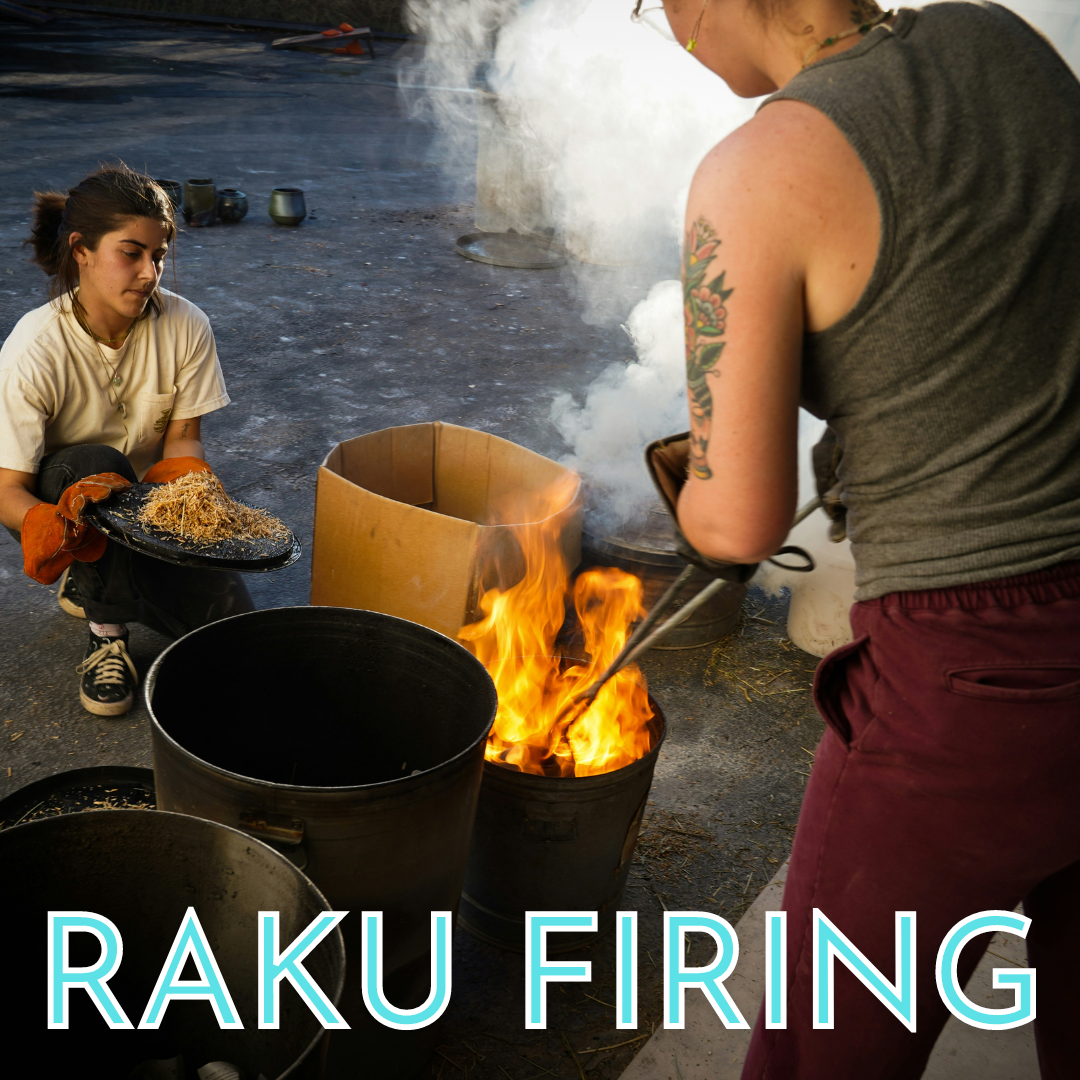 Image 1 of 8
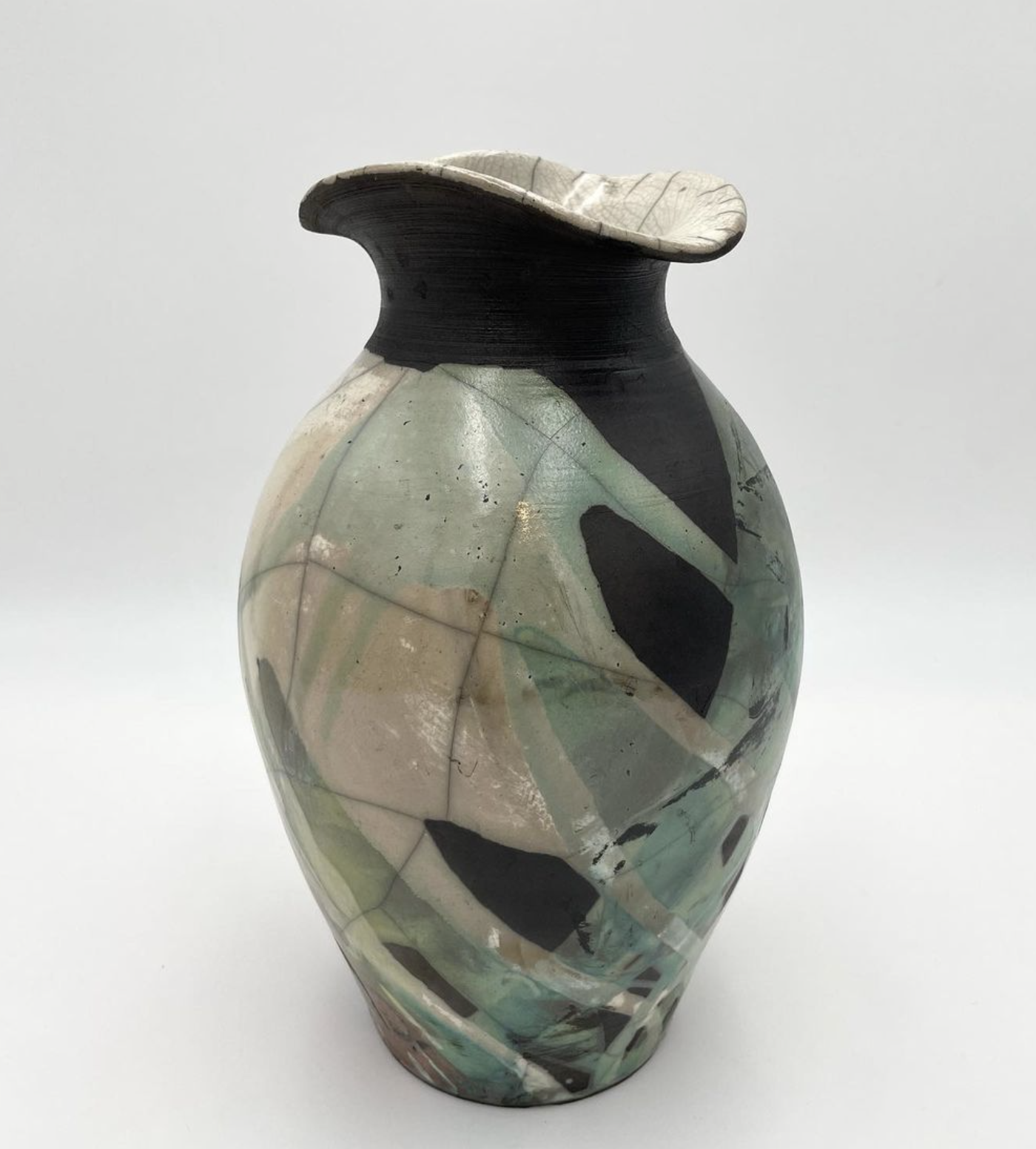 Image 2 of 8
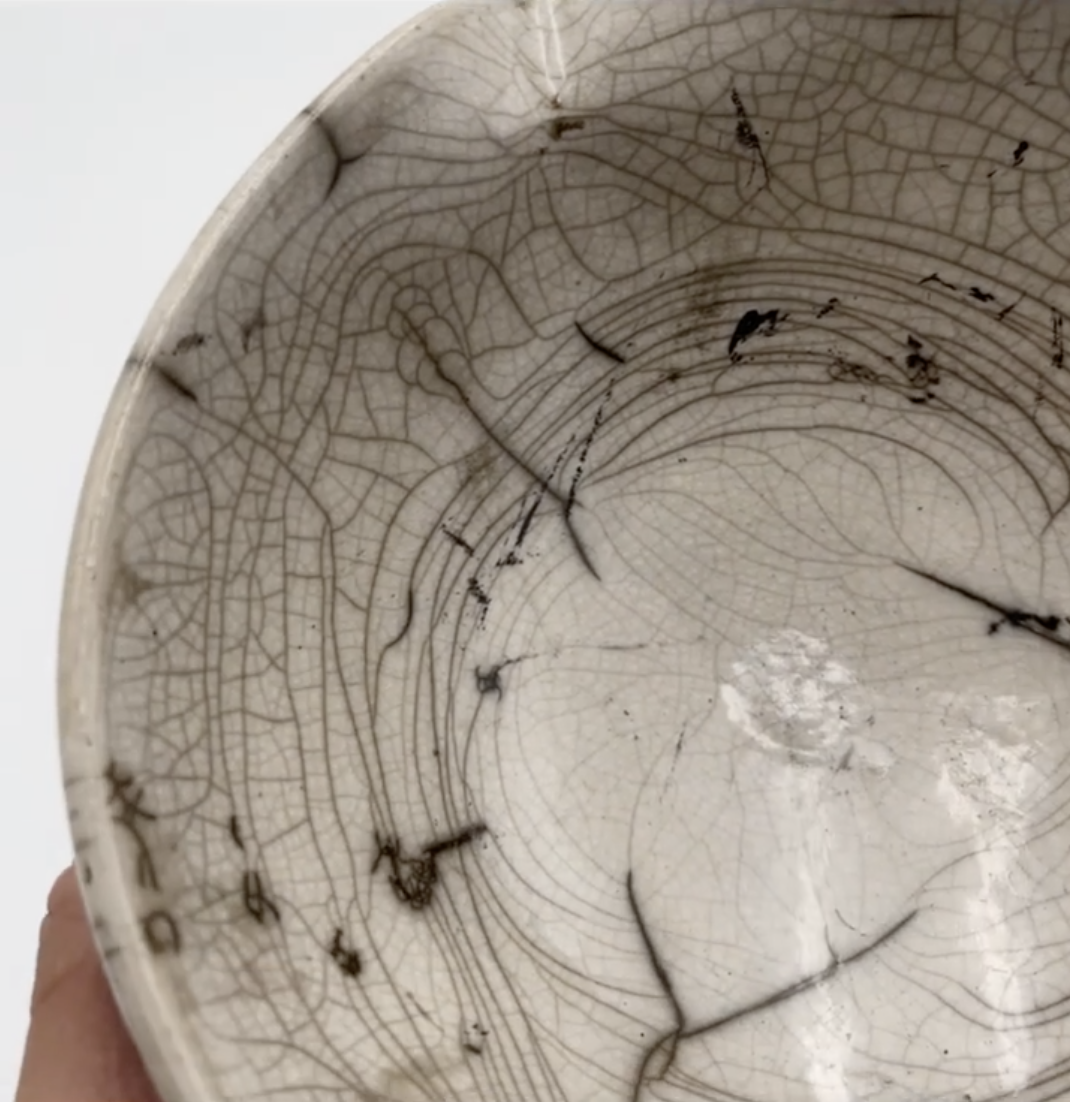 Image 3 of 8
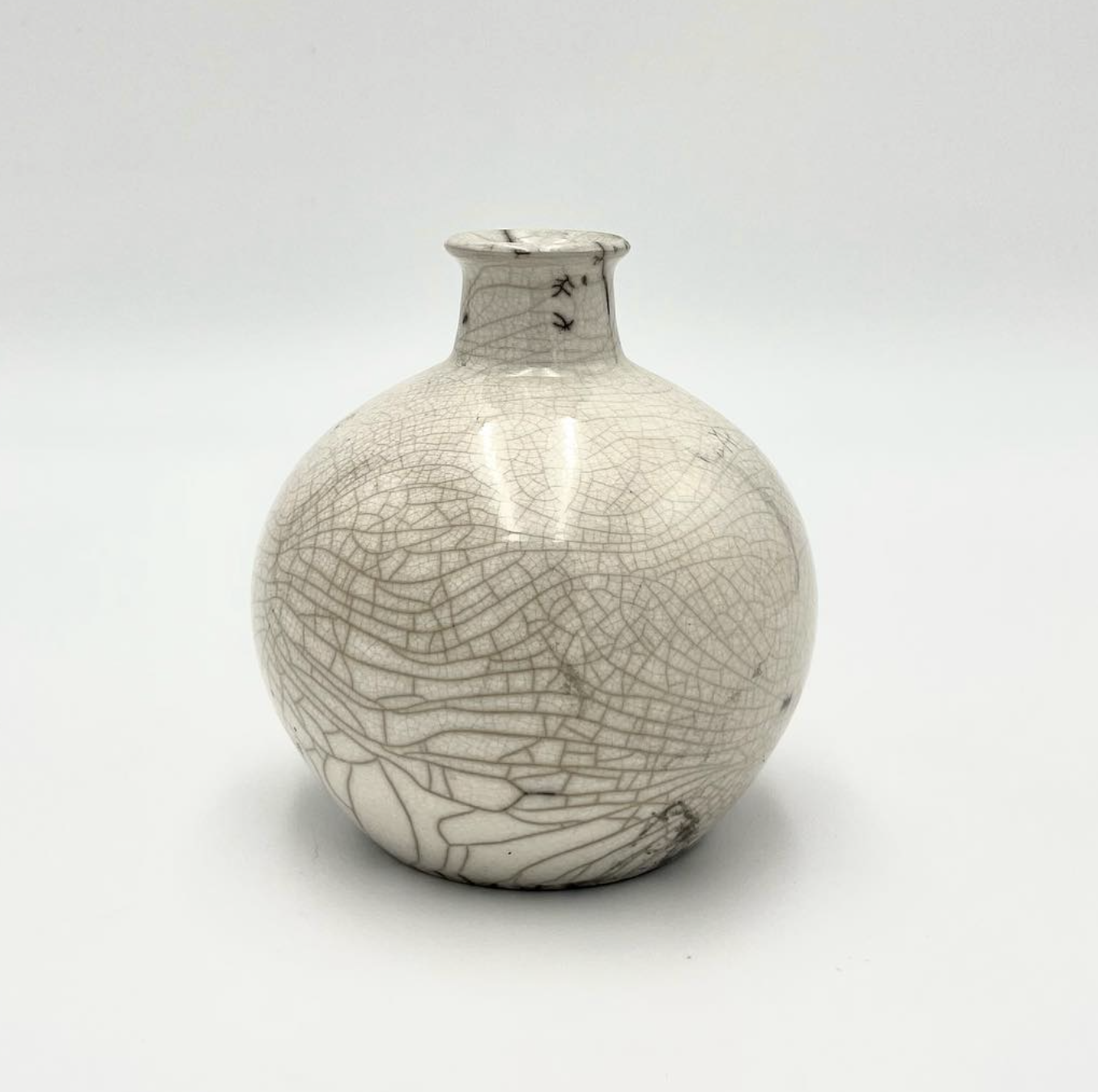 Image 4 of 8
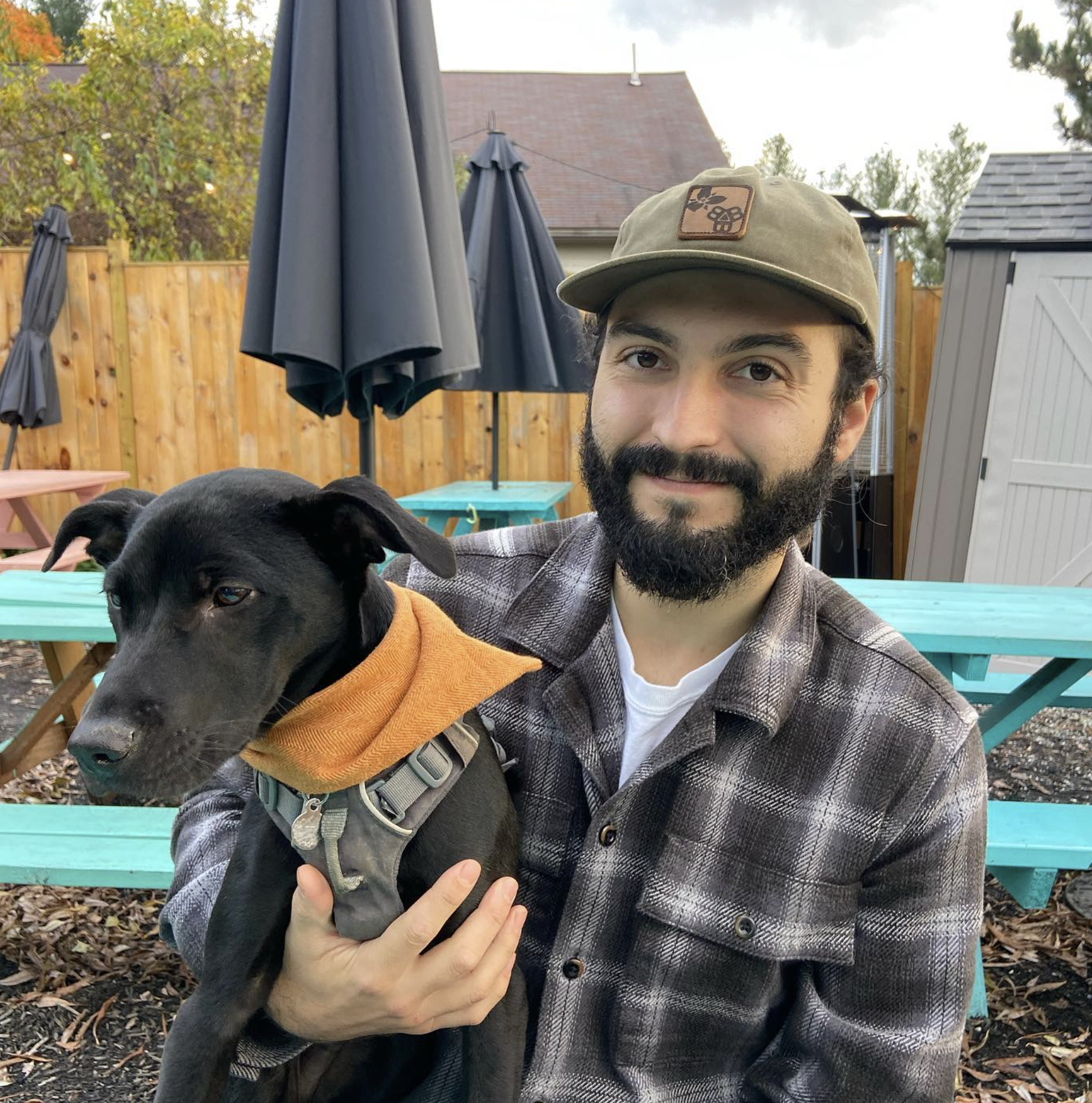 Image 5 of 8
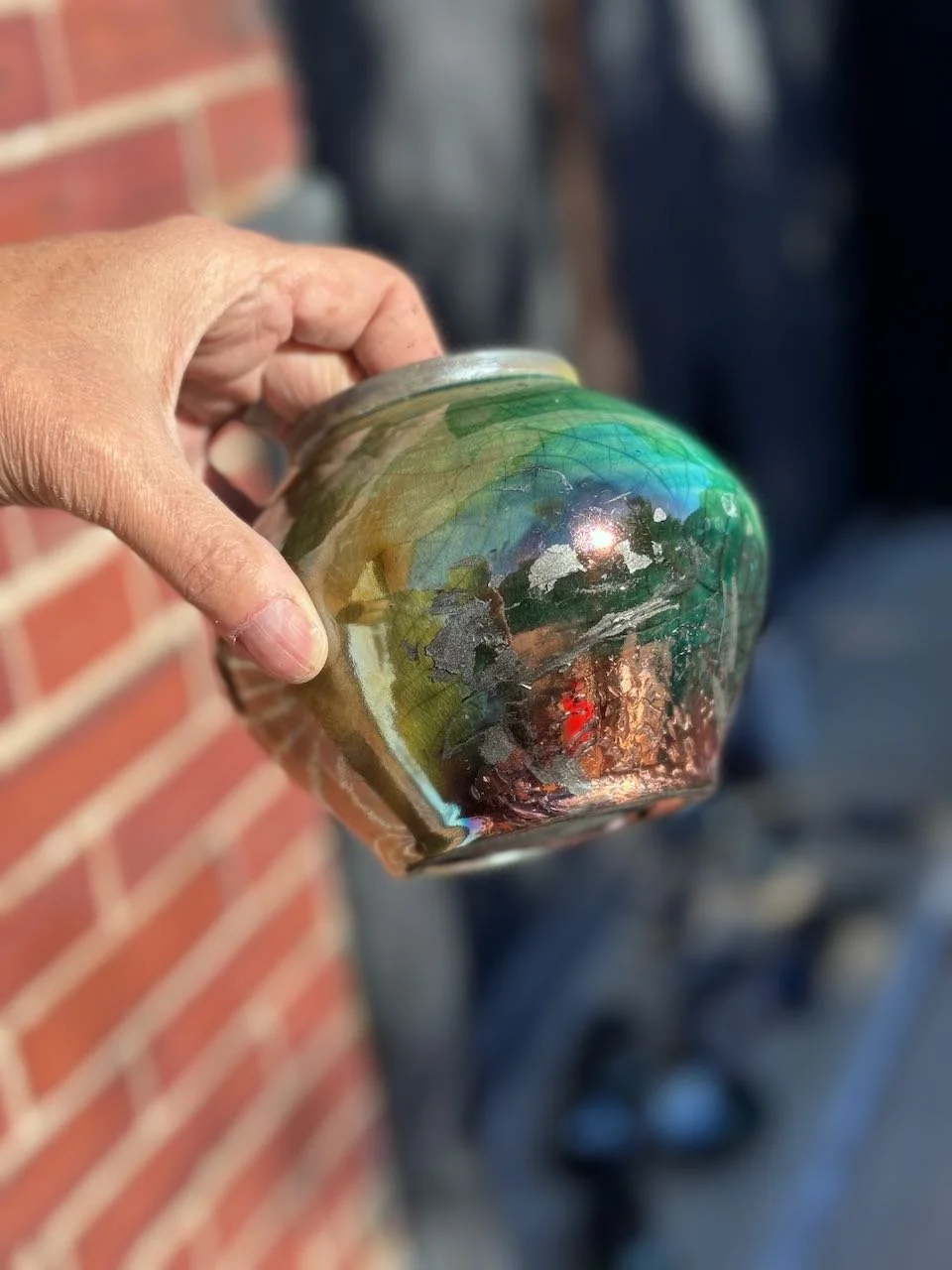 Image 6 of 8
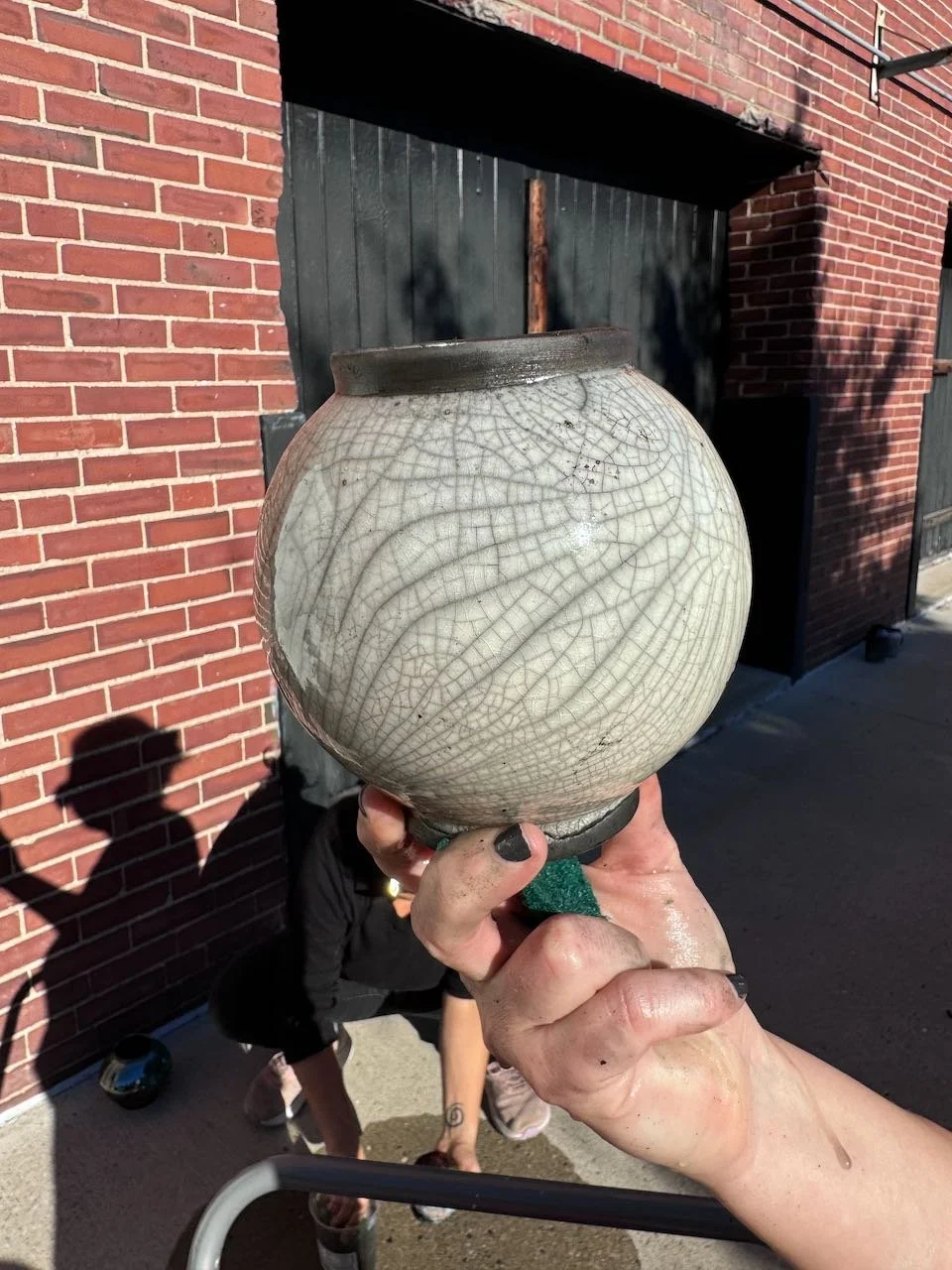 Image 7 of 8
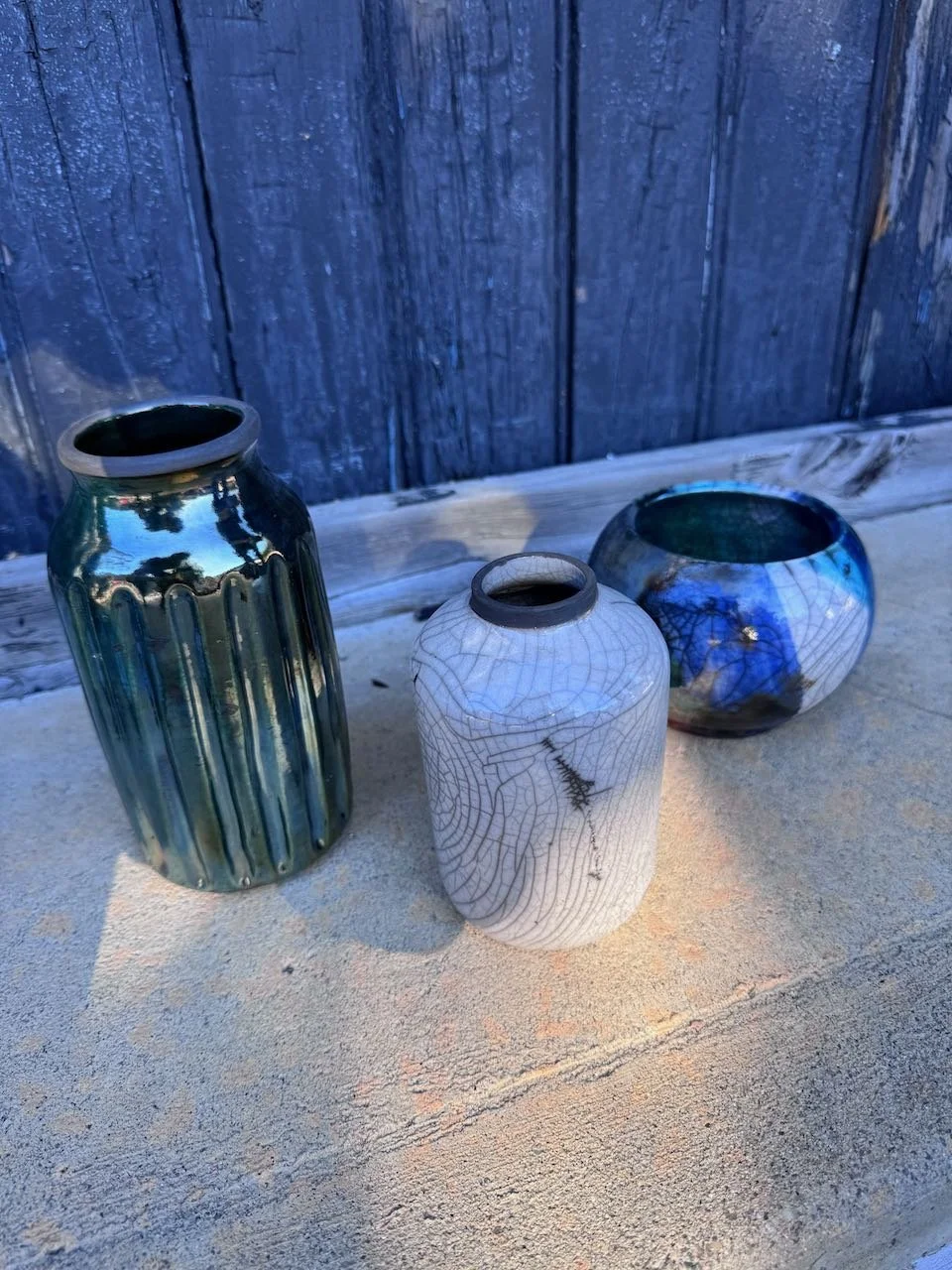 Image 8 of 8